



China SSD Solutions
Mail Us Now
sales@allssd.comPATA/IDE
In the world of storage technology, progress moves quickly—but not every system can keep pace. Parallel ATA (PATA), also known as IDE (Integrated Drive Electronics), remains a critical interface for countless industrial machines, medical devices, and vintage computing systems that were designed decades ago and continue to operate faithfully today. As a comprehensive storage provider based in Guangdong, allssd.com is proud to offer a complete range of PATA/IDE storage solutions, bridging the gap between legacy infrastructure and modern storage reliability.
While IDE drives first emerged in 1986 and were largely phased out by 2007 with the rise of SATA, the industrial sector’s long equipment lifecycles ensure continued demand for IDE-compatible storage. These systems—ranging from CNC machine tools to industrial PLCs—were built to last 10-20 years and require reliable storage that can keep pace with their operational demands.
Our IDE/PATA products:
-
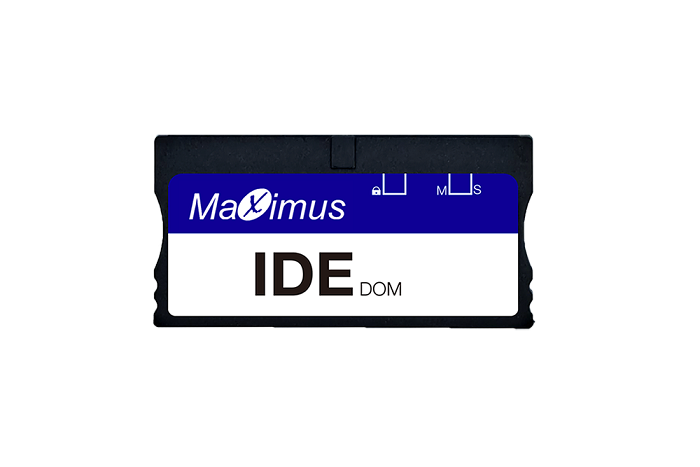
- IDE
-
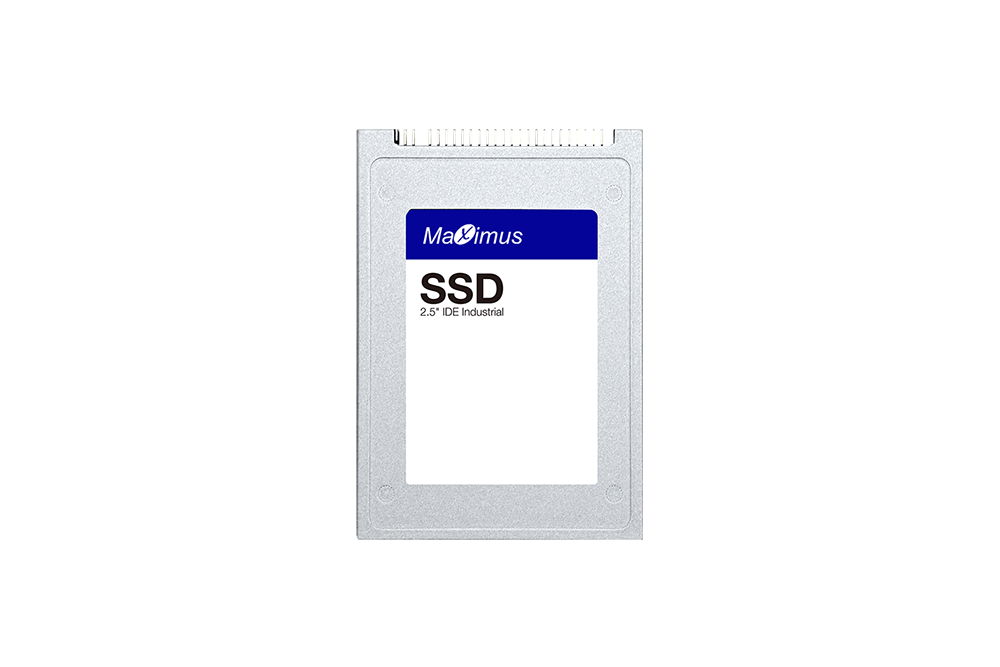
- ATA/IDE Bus
The IDE Interface: A Brief History
Parallel ATA, commonly referred to as IDE or PATA, was the dominant storage interface for desktop computers from the late 1980s through the mid-2000s . The technology underwent several revisions:
| Generation | Maximum Speed | Key Characteristics |
|---|---|---|
| Original IDE (1986) | 8.3 MB/s | 40-pin connector, basic PIO modes |
| ATA-2 / EIDE | 16.7 MB/s | Faster PIO modes, block transfers |
| ATA-3 | 16.7 MB/s | Improved reliability, S.M.A.R.T. introduction |
| ATA-4 / Ultra ATA/33 | 33 MB/s | Ultra DMA mode introduction |
| ATA-5 / Ultra ATA/66 | 66 MB/s | 80-conductor cable for improved signal integrity |
| ATA-6 / Ultra ATA/100 | 100 MB/s | Increased transfer rates |
| ATA-7 / Ultra ATA/133 | 133 MB/s | Final PATA standard |
In its final iteration, IDE drives achieved transfer speeds of 133MB/s —a fraction of modern SATA SSDs but perfectly adequate for the industrial and embedded applications where these systems remain in service.
Physical Interface Variations
PATA/IDE connections come in two primary physical formats:
40-pin IDE (3.5-inch) : Standard for desktop hard drives and optical drives, typically used in full-sized industrial PCs and older desktop systems. These connections use a 40-pin ribbon cable with a keyed connector to prevent incorrect insertion .
44-pin IDE (2.5-inch) : Compact version for laptop hard drives and embedded applications, combining the standard 40 pins with 4 additional pins for power . This integrated power design makes 44-pin IDE ideal for space-constrained industrial systems.
IDE DOM (Disk-On-Module)
A specialized form factor particularly valuable in industrial settings, IDE DOM modules plug directly into the motherboard’s IDE connector, providing solid-state storage without requiring drive bays or cables . These compact modules are perfect for embedded systems where space is at a premium and vibration resistance is essential.
Key IDE DOM Specifications :
- Form Factor: Ultra-compact (typically 48.4mm × 27.3mm × 5.8mm)
- Interface: 44-pin IDE connector, compatible with both 40-pin and 44-pin motherboards
- Performance: Read speeds up to 111.6 MB/s, write speeds up to 61.8 MB/s
- Endurance: SLC versions offer up to 60,000 write cycles
Why IDE Survives in 2026
Despite being declared obsolete for consumer use , IDE technology maintains a vital presence in specific sectors:
Industrial Automation:
Manufacturing floors worldwide operate CNC machines, PLCs, and robotic controllers designed around IDE interfaces. These systems represent massive capital investments and are engineered for decades of service . Replacing them entirely is economically impractical when storage upgrades can extend their useful life.
Medical Equipment:
Diagnostic imaging systems, patient monitors, and laboratory analyzers often incorporate IDE-based storage. Regulatory validation makes complete system replacement prohibitively expensive, while storage upgrades maintain compliance and reliability.
Embedded Systems:
Point-of-sale terminals, kiosks, and specialized embedded devices frequently use IDE DOM modules for operating system and application storage . Their compact form factor and direct motherboard connection make them ideal for these applications.
Vintage Computing:
A passionate community of vintage computer enthusiasts preserves computing history by maintaining and restoring classic systems . IDE storage solutions enable these machines to remain operational, running original software and demonstrating historical computing platforms.
Aerospace and Defense:
Legacy military and aerospace systems with decades-long service lives require continued IDE storage support. These applications demand the highest reliability and often specify industrial-grade SLC solutions .
IDE vs. Modern Alternatives
| Consideration | Mechanical IDE HDD | Industrial IDE SSD | CF-to-IDE Adapter + CF Card |
|---|---|---|---|
| Reliability | Poor—aging mechanics, prone to failure | Excellent—solid-state, no moving parts | Good—depends on CF card quality |
| Speed | Slow (up to 133 MB/s theoretical, slower in practice) | Fast (up to 111 MB/s read) | CF card dependent (UDMA support varies) |
| Availability | Very limited—all drives are vintage/used | Active production—new manufactured | Widely available |
| Temperature Range | Limited (typically 5-55°C) | Industrial options: -40°C to 85°C | CF card dependent |
| Form Factor Options | 3.5″ or 2.5″ only | 2.5″ drives and compact DOM modules | Multiple adapter form factors |
| Lifecycle Support | None—discontinued | Long-term manufacturer commitment | Ongoing—CF cards widely available |
Why Choose allssd.com for Your PATA/IDE Needs
As a specialized storage solutions provider based in Guangdong, allssd.com brings unique advantages to customers seeking PATA/IDE products:
Technical Expertise: Our team understands the nuances of legacy storage requirements—from industrial automation to vintage computing. We help match the right solution to your specific system and application.
Quality Assurance: We partner with established manufacturers to ensure every IDE SSD and adapter meets rigorous quality standards. Industrial-grade solutions feature SLC NAND, wide temperature validation, and long-term availability commitments.
Comprehensive Selection: From industrial IDE DOM modules to CF-to-IDE adapters, our portfolio spans the full spectrum of PATA/IDE storage solutions.
Lifecycle Support: We understand that industrial systems often operate for decades. Our solutions prioritize long-term availability and consistent supply for critical applications .
Local Support: Being based in Guangdong gives us direct access to manufacturing expertise and enables responsive customer support when you need it most.
Application Knowledge: Whether you’re maintaining a factory floor, upgrading medical equipment, or preserving vintage computers, we understand your specific requirements and constraints.
The Future of IDE Storage
While IDE technology has long been superseded in the consumer market , its industrial legacy ensures continued relevance for years to come. Several factors support ongoing IDE storage availability:
Industrial Lifecycles: Manufacturing equipment, medical devices, and infrastructure systems are designed for 15-20 year service lives. The IDE interface will remain necessary until these systems are fully retired.
SLC NAND Availability: High-reliability SLC flash continues to be manufactured specifically for industrial and embedded applications, ensuring that IDE SSDs can be produced with premium-grade components .
CF Card Longevity: The CompactFlash Association continues to support the CF standard, and industrial CF cards remain in active production, ensuring a steady supply of media for CF-to-IDE solutions.
Vintage Computing Community: Enthusiast demand for IDE solutions ensures ongoing innovation in adapters and conversion technologies .
The Transition Path: For organizations with substantial IDE-based infrastructure, the practical path forward is reliable solid-state IDE storage rather than wholesale system replacement. IDE SSDs and CF adapters extend equipment life while improving reliability and performance .
Conclusion
PATA/IDE storage technology, while decades old , continues to serve critical roles in industrial automation, medical equipment, embedded systems, and vintage computing. Modern solutions—industrial IDE SSDs, CF-to-IDE adapters, and IDE DOM modules—deliver solid-state reliability while maintaining full compatibility with legacy hardware .
Each solution serves distinct but important purposes:
- Industrial IDE SSDs: The gold standard for mission-critical applications, offering SLC NAND endurance, wide temperature operation, and long-term availability
- IDE DOM Modules: Ultra-compact, cable-free storage for embedded systems and space-constrained applications
- CF-to-IDE Adapters: Flexible solutions enabling modern CF cards in legacy IDE systems, ideal for both industrial and vintage applications
- Industrial CF Cards: Removable media with IDE protocol compatibility, perfect for data logging and applications requiring physical media removal
Whether you’re maintaining a factory floor with PLCs running 24/7, upgrading CNC machinery for improved reliability, supporting critical medical equipment, or preserving vintage computing systems, the right PATA/IDE storage solution ensures your legacy infrastructure remains operational, reliable, and efficient.
At allssd.com, we’re committed to helping you navigate the specialized world of IDE storage, providing solutions that balance performance, reliability, and long-term value for your critical applications.
Contact us today to discuss how our PATA/IDE storage solutions can support your legacy infrastructure and specialized storage requirements.